

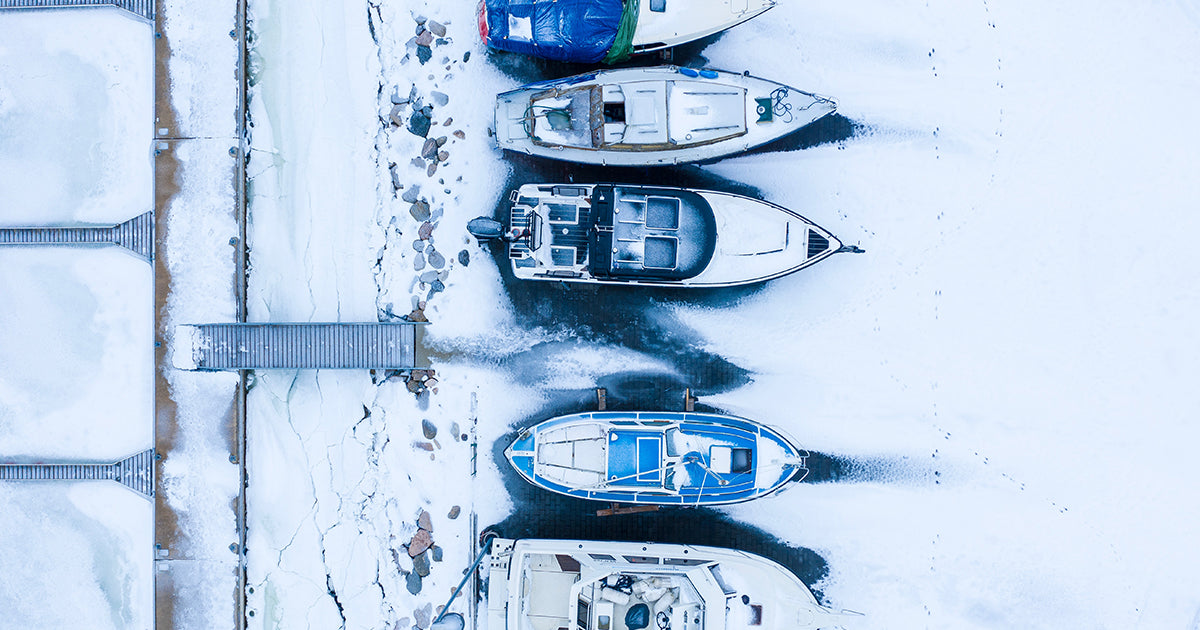
Autumn has pulled our coats out of the closet, and it is imperceptibly time for winterizing the yacht and preparing for the winter months spent on land. This is the season when our team has the opportunity for detailed diagnostics and comprehensive vessel maintenance. All these procedures guarantee that you will be able to fully enjoy your yacht next year.
As for winterization, it goes through three main steps. Their purpose is to ensure the safety of the vessel and to preserve it for the months it will spend at rest. The first step is…
Engine Preparation
The most important stage of proper yacht winterization is servicing the "heart" of your boat. The end goal is the complete preservation of the engines so that they are in perfect working order in the spring.
Preparation includes several elements:
- Changing the oil and fuel filters;
- Flushing the engine with fresh water – this is especially important for stern drives (Z-drives), which are in direct contact with seawater.
- Adding antifreeze to the water tanks – the goal is to prevent freezing and potential cracking. Don't forget to drain all water tanks that could be damaged by low temperatures and long periods of inactivity.
- Lubrication – the process of preserving the cylinders is called "fogging." It is carried out by spraying a special solution into the intake side of the engine (intake manifold/air filter). The purpose is to prevent corrosion processes inside the engine. These processes occur during periods of inactivity, when the oil drains away and leaves engine parts vulnerable to weather conditions. Finally, lubricate the parts and fasteners to prevent rust.
- Refueling and fuel stabilization – this step is mandatory because both diesel and gasoline degrade over time. A stabilizer won't save you from having to replace the fuel in the spring. However, it will save you from problems related to injector clogging, for example. Once you complete the procedure, let the engine run for about 10 minutes.
It is advisable to "fire up" the boat at least once a month. This responsible task is the first priority set in every yacht maintenance subscription offered by Belissima. Much like your car, a yacht needs regular engine health checks. Otherwise, you risk needing repairs in the spring.

Equipment Protection
The first and most important task is to remove all valuables from the yacht. Regardless of which "parking" option you have chosen, it is good to take home everything you are not prepared to part with - money, jewelry, accessories, electronics.
Check if your insurance policies are valid and will remain so throughout your yacht's winterization period. If necessary, include the valuables and equipment that will remain on board.
If you cannot provide good ventilation for enclosed spaces on board, look for moisture-absorbing crystals. You can use them in wardrobes, lockers, and niches that could fall victim to humidity.
Last but not least, clean the leather upholstery, flooring, and decking thoroughly. Apply a sealant product to prevent moisture from penetrating the surfaces. Even a little moisture can lead to cracking in leather, vinyl, and wood.
Spray all dashboard buttons and switches with contact cleaner.

Yacht Winterization - Docking
Very often, our clients ask us which is better - parking at a marina in the water or dry stacking? Our answer is usually: "it depends." On the size of the boat, the quality of the hull paint, the frequency of use during the winter, your location, and the budget you are prepared to spend. The topic is broad and will soon have its place on our blog.
In any case, however, docking is a process that takes time and requires planning. The first step is to choose the location. It must be consistent with your budget, your time for off-season visits, or the availability of a trusted team to take care of the boat during the winter. Also, assess whether the boat needs to be taken out of the water for repairs. It is recommended to consult a specialist.
After that, it is necessary to prepare the documents. Once the yacht is positioned, it must be perfectly covered so that it is maximally isolated from the elements. The options are a tarpaulin or specialized shrink wrap. Your choice should again depend on whether you will visit the vessel during the season and whether there will be someone to visit and check it regularly.
Volvo Penta’s Assisted Docking system wins innovation award
Belissima Marine brought together yachting companies and yachtsmen for a Gala dinner in Sofia